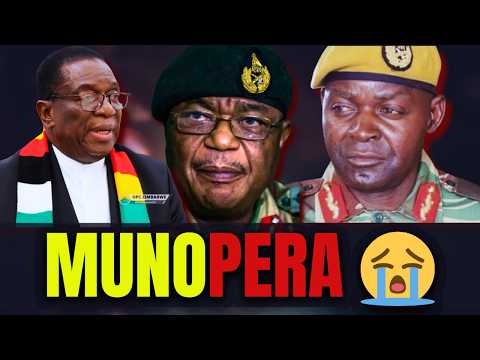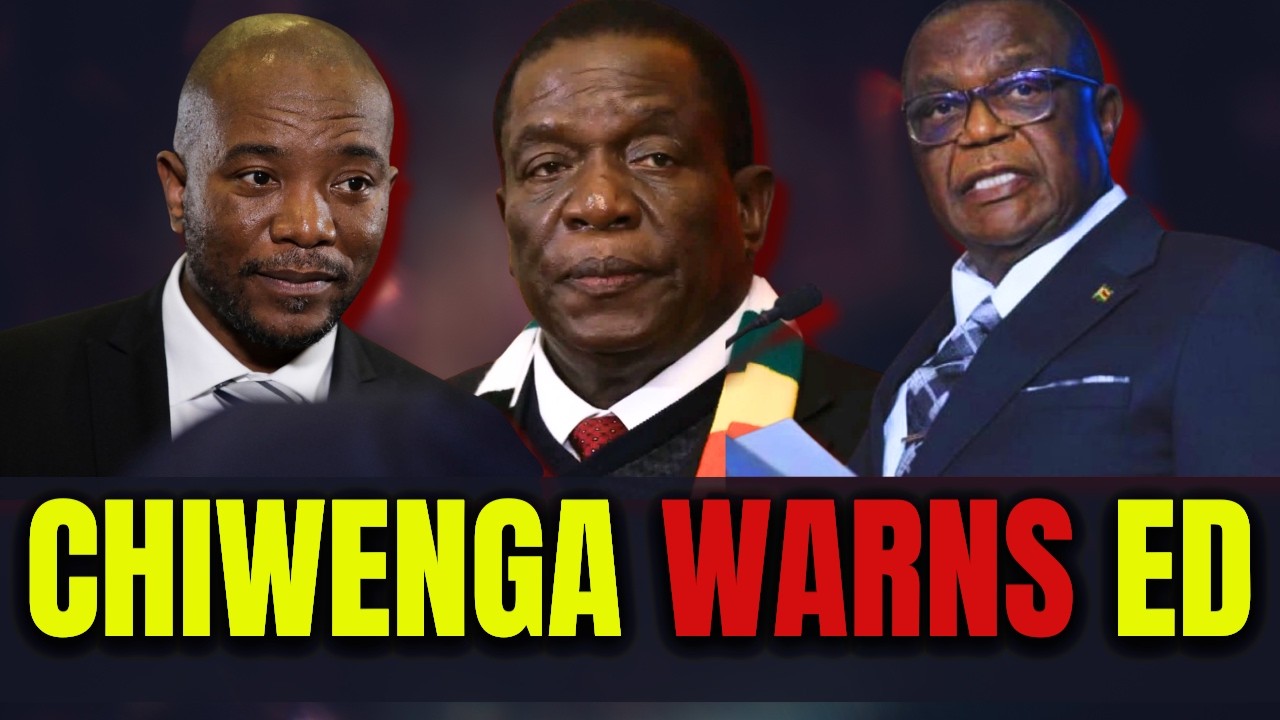
In a startling public confrontation, Vice President Constantino Chiwenga has signaled a deep rift within Zimbabwe's top leadership. During a tour of the Sandawana Mine, Chiwenga warned that history would judge the current administration harshly for the extraction of raw minerals that leaves nothing for the local people. His "spit on our graves" comment highlights a growing frustration with the "resource curse" that has seen Zimbabwe's wealth shipped abroad while citizens struggle for basic dignity.
The video features a deep dive into the shadowy world of Zimbabwean fuel monopolies and offshore financial structures. It exposes how billions have been funneled through Mauritius and the UAE, using complex systems to bypass parliamentary oversight and national interest. This financial drain is cited as a primary driver for the country's hyperinflation and the persistent scarcity of the US dollar, which has crippled local businesses and impoverished the working class.
Adding to the tension is the rising "2027" movement, which calls for a change in leadership by the next election cycle. The discourse reveals a public that is no longer satisfied with "blanket donations" and symbolic gestures. There is a demand for genuine rural industrialization and a shift away from the "collecting" mindset that has dominated the elite, where looting is mistaken for wealth creation at the expense of the nation’s infrastructure.
Regional pressure is also mounting, as evidenced by debates in the South African parliament regarding Zimbabwe’s democratic future. While SADC leaders are often criticized for their silence, the video argues that the true power to change Zimbabwe lies with its people. The narrator stresses that when the public understands their own power, they become the most significant threat to corrupt systems, urging a move toward "barefoot politics" and transparency.
As the political temperature rises in Harare, the immediate ban on raw lithium exports marks a desperate attempt to rectify years of mismanagement. However, Chiwenga’s warnings suggest that policy changes alone may not be enough to save the legacy of the current government. The call for a "peaceful settlement" and a dignified exit for the presidency looms large as Zimbabwe approaches a critical crossroads in its post-independence history.