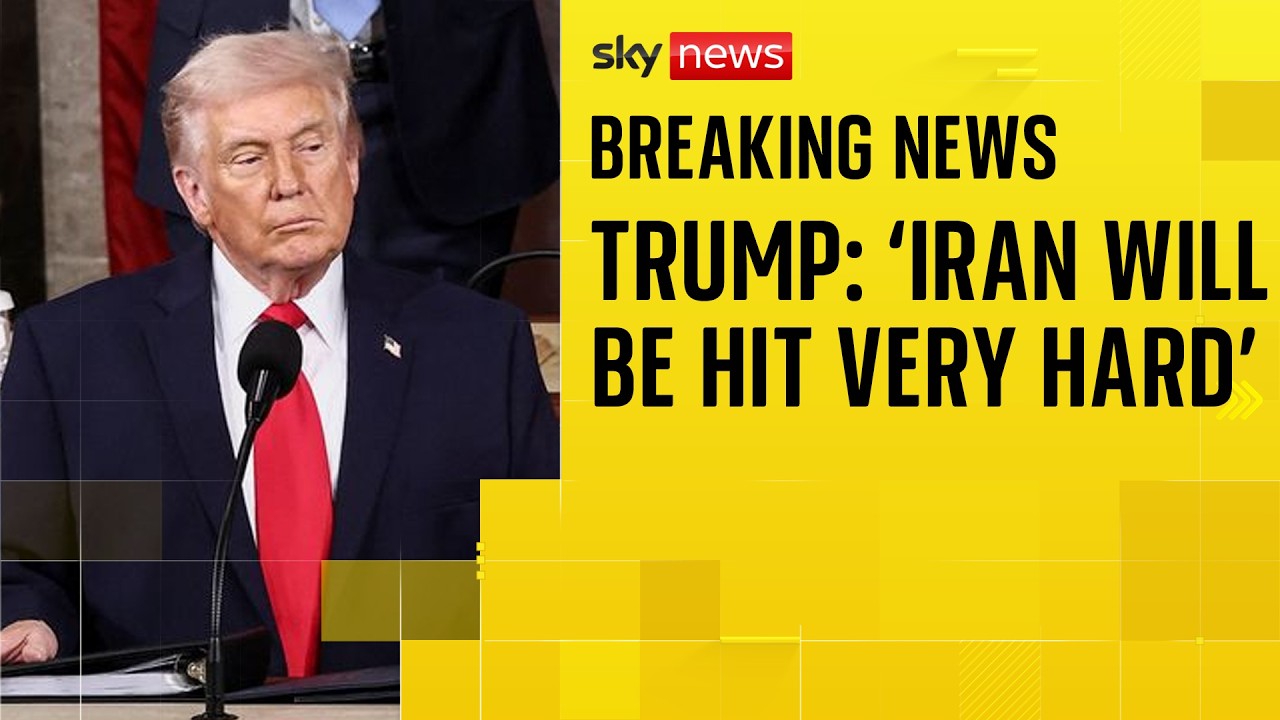
Former United States President Donald Trump has issued a stark warning toward Iran, declaring that the country would be “hit very hard” should tensions in the Middle East continue to escalate. The statement, delivered with characteristic bluntness, has quickly circulated across global news platforms, adding another layer of intensity to an already volatile geopolitical climate.
Trump’s remarks come at a time when regional tensions remain high, with governments and analysts carefully monitoring developments across the Middle East. Diplomatic observers note that strong public statements from influential political figures often serve multiple purposes: signaling resolve, shaping international perception, and reinforcing strategic deterrence.
In Washington and beyond, policy analysts say rhetoric of this kind is rarely accidental. Leaders frequently deploy strong language during periods of uncertainty to influence negotiations, reassure allies, and warn adversaries against further escalation. In the theater of geopolitics, words often precede action, setting the tone for diplomatic or military responses that may follow.
Financial markets and security analysts alike tend to watch such statements closely. Even a brief remark from a prominent political figure can ripple through diplomatic channels, military planning discussions, and international economic forecasts. The balance of power in the region remains delicate, and every signal — verbal or strategic — carries weight.
For now, global attention remains fixed on the evolving situation, as policymakers, diplomats, and observers attempt to interpret the meaning behind increasingly forceful language. Whether the rhetoric leads to renewed negotiations or further escalation may depend on the next moves made by leaders on all sides of the conflict.